
At Soundz Good Garage, we recommend car tint replacement in Oxnard, CA when permanent bubbles, peeling edges, fading, or haziness show that the film or adhesive is deteriorating. Instead of patching failed tint, proper replacement removes the old film and residue before new window film is installed on clean, prepared glass.
These problems often start small, a few bubbles on the rear window or a lifting corner, but can become more noticeable over time. As the tint deteriorates, it may also discolor or make the glass harder to see through.
That’s when aging tint becomes more than a cosmetic concern. Below, we’ll explain why tint fails, when replacement makes sense, and what to expect from professional removal and installation.
How Do You Know When Car Window Tint Needs to Be Replaced?
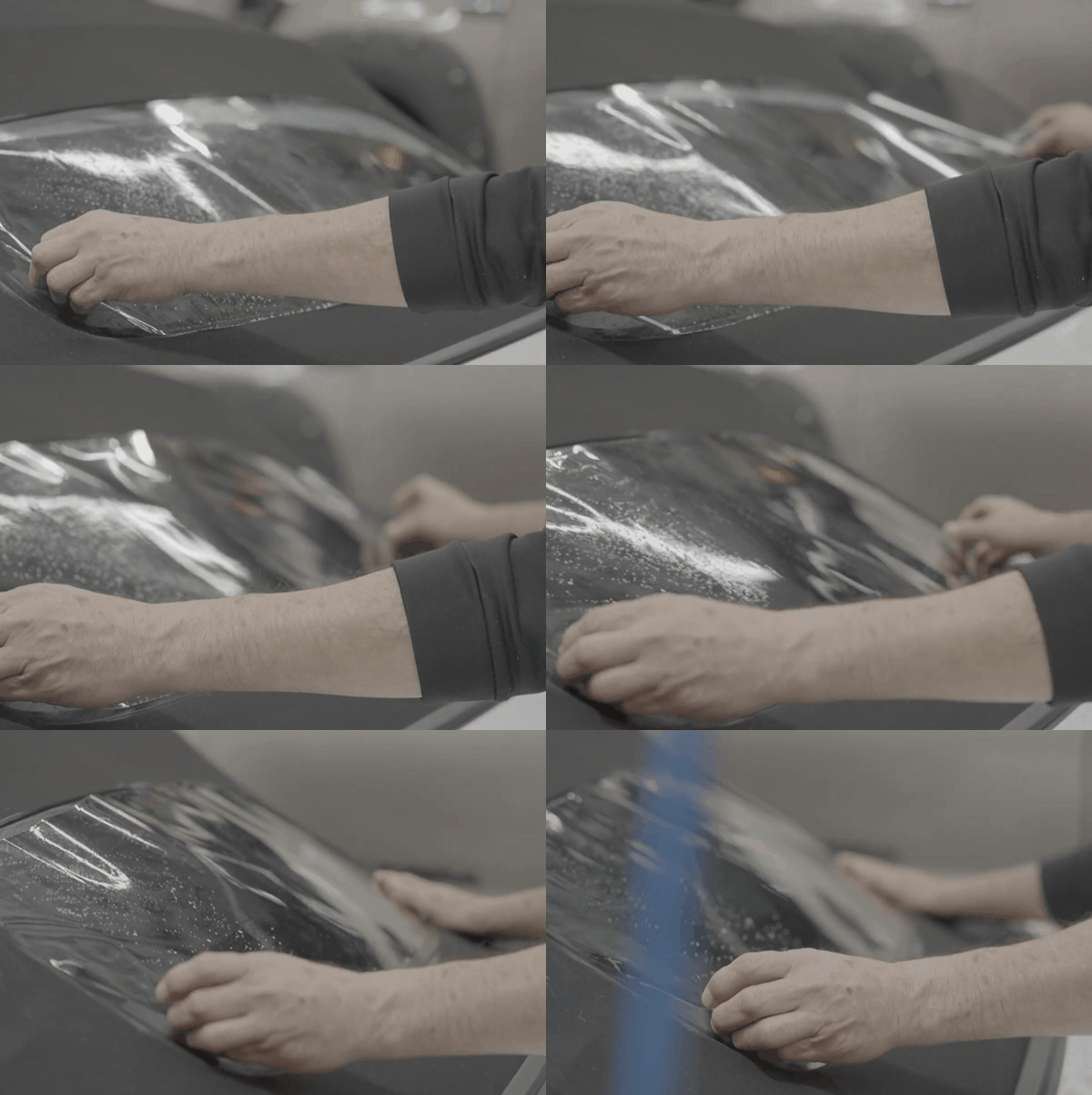
Not every small imperfection means your tint needs to come off immediately.
Freshly installed automotive window film can sometimes show temporary moisture or visual changes while it cures. That’s different from bubbles, peeling, or discoloration that develop after the film has been on the vehicle for months or years.
When customers ask us whether they need car tint replacement in Oxnard, CA, these are some of the signs we pay attention to.
Permanent Bubbles Across the Tint
Bubbles are one of the most obvious symptoms of aging or damaged window tint.
We’re not talking about the temporary appearance you might see during the curing period after a new installation. We’re talking about bubbles that develop well after the film has settled and stay there.
Persistent tint bubbling can indicate that the film is separating from the glass or that the adhesive underneath has deteriorated.
Once adhesive failure occurs, pushing the bubble flat usually isn’t a lasting fix. Even if you temporarily improve its appearance, you haven’t restored the adhesive underneath.
That’s why bubbling window tint repair isn’t always really a repair. When the film or adhesive has permanently failed, removal and replacement are usually the more practical long-term solution.
Faded, Purple, or Uneven Window Tint
Have you noticed that your tint doesn’t look like it used to?
Older or lower-quality film can eventually develop noticeable tint discoloration. A dark film may become lighter, uneven, or take on a purple appearance as it ages.
Visible fading doesn’t tell us exactly how much UV protection or heat rejection remains. Those characteristics can’t be accurately measured simply by looking at the color of the film.
What fading does tell us is that the film has changed from its original condition.
When faded car window tint is accompanied by bubbling, haze, peeling, or other deterioration, it’s worth having the film evaluated rather than assuming it’s still performing exactly as it did when it was new.
Peeling or Lifting Edges
Peeling window tint often starts small.
You may first notice one corner lifting or a thin section separating along the edge of a window. As that separation progresses, contamination can work its way underneath the film and make the problem increasingly visible.
Once the adhesive has deteriorated, pushing a peeling edge back onto the glass isn’t likely to restore the original bond.
If the peeling continues to spread, replacing the affected window film is generally a cleaner solution.
Hazy or Distorted Visibility
This is one symptom we don’t recommend ignoring.
Severely deteriorated film can become hazy, distorted, bubbled, or uneven enough to interfere with your view through the glass. Rear-window tint can be especially noticeable because drivers rely on that glass to monitor traffic behind them and maneuver safely.
If you’re struggling to see clearly through damaged film, car tint replacement becomes about more than improving how your vehicle looks.
It’s about restoring a clear view through the glass.
Why Does Car Window Tint Start Bubbling, Fading, or Peeling?
We wish there were one simple answer, but window film deterioration can happen for several reasons.
The lifespan of automotive window film depends on the film itself, the quality of its adhesive, installation workmanship, environmental exposure, vehicle storage, and maintenance.
Sun Exposure, Heat, and Normal Aging
Your tint spends its life attached to glass that’s regularly exposed to sunlight and changing temperatures.
Over time, those conditions can contribute to the natural aging of both the film and its adhesive system.
How quickly that happens varies. A vehicle that spends much of its time parked outside can experience different conditions from a vehicle that’s usually kept in a garage.
That’s why we don’t like giving drivers a universal number and saying every tint will last exactly that long.
Window film lifespan depends on the product and the conditions it experiences.
Tint Film Quality Matters
One lesson we’ve learned from working with automotive upgrades is that products that look similar at first aren’t necessarily built the same.
Window tint is no exception.
Film construction, adhesive systems, optical clarity, color stability, UV rejection, heat rejection, and infrared heat rejection can differ considerably between products.
Quality becomes especially important when you’re replacing film that has already failed. The goal shouldn’t simply be to make the windows dark again. It’s an opportunity to choose automotive window film that better matches how you use your vehicle and what you expect from your tint.
Installation Quality Matters, Too
Even quality film needs to be installed correctly.
Proper glass preparation, careful film handling, contamination control, accurate fitting, and attention to the edges all contribute to the finished installation.
It’s also important to distinguish premature failure from normal aging.
Film that begins peeling or bubbling soon after installation may be experiencing a different problem from tint that has performed well for years before showing signs of deterioration.
Can Bubbling Window Tint Actually Be Repaired?
This is one of the most common questions surrounding old tint.
Can you simply push the bubbles out?
Sometimes people try puncturing bubbles, reheating sections of film, or forcing trapped areas toward the edge of the window. The problem is that these approaches don’t restore adhesive that has already deteriorated.
If the underlying film or adhesive has permanently failed, flattening the bubble only addresses what you can see.
It doesn’t fix what’s happening underneath.
For that reason, when we’re dealing with permanent adhesive failure, car tint replacement generally makes more sense than trying to repeatedly patch damaged film.
Removing the old tint gives us the opportunity to address the deteriorated material and adhesive residue before new film goes onto the glass.
Why You Shouldn't Ignore Old or Damaged Window Tint
We understand why drivers put off replacing tint.
If the car still drives normally, a few bubbles or a peeling corner can feel like something that can wait. But once window film begins noticeably deteriorating, there are several reasons to address it.
Damaged Tint Can Affect Visibility
A tiny cosmetic imperfection is one thing. Widespread bubbles, haze, distortion, and peeling are another.
When deterioration starts interfering with your ability to see clearly through the glass, especially through the rear window, replacement deserves serious consideration.
You shouldn’t have to look through a patchwork of bubbles every time you check what’s behind your vehicle.
Old Film May Not Provide the Experience You Originally Wanted
People choose tint for different reasons.
Some of our customers care most about appearance. Others prioritize UV protection, heat rejection, cabin comfort, glare reduction, or vehicle interior protection.
Once window film becomes visibly damaged, we don’t recommend assuming it still delivers exactly the same characteristics it had when it was new.
You can’t determine remaining UV protection or heat rejection just by looking at faded film. But significant physical deterioration gives you a good reason to evaluate whether it’s time for replacement.
Permanent Deterioration Doesn’t Fix Itself
Adhesive failure isn’t likely to reverse itself.
Neither is peeling or film deterioration.
Once these problems become permanent, waiting longer usually means continuing to live with a tint that’s already failing.
Why Professional Tint Removal Matters Before Installing New Film
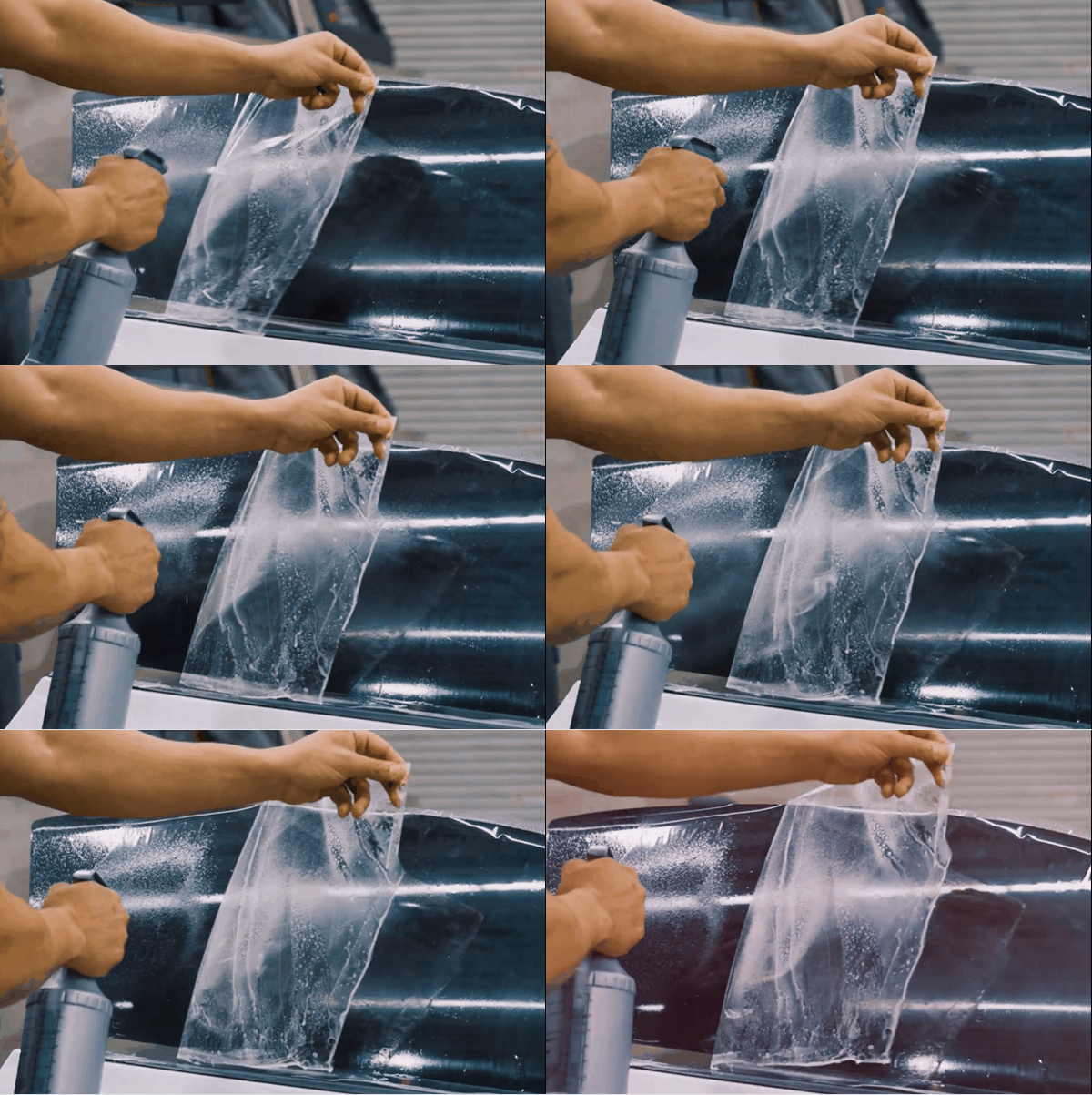
When we perform car tint replacement in Oxnard, CA, removing the old film and preparing the glass are just as important as installing the new tint.
Removing Old Film Takes Proper Preparation
Aging tint may tear, separate, or leave adhesive residue behind. Professional window tint removal addresses both the old film and remaining adhesive so the glass is clean and ready for replacement.
Rear Windows Need Extra Care
Rear windows often contain defroster elements that can make tint removal more delicate. Using improper tools or aggressive scraping can increase the risk of damage.
Why Consider Professional Tint Removal?
DIY removal can quickly become difficult when old film tears or leaves stubborn adhesive behind. Professional tint removal helps reduce trial and error, especially when working with deteriorated film or rear-window defroster lines.
What Happens During Professional Car Tint Replacement?
If you’ve never had an old tint replaced before, the process usually involves three key stages: inspection, removal and preparation, and installation.
We start by checking the existing film and glass for bubbling, peeling, fading, adhesive failure, or other signs of deterioration. From there, the old tint is carefully removed, along with any adhesive residue that could interfere with the new installation.
Once the glass is clean and properly prepared, the replacement film can be installed. At Soundz Good Garage, our professional automotive window tinting in Oxnard includes several film choices, including nano-ceramic options. We’ll help you compare them based on priorities such as appearance, UV protection, and heat rejection.
After installation, we’ll also walk you through the curing process and proper aftercare so you know what to expect from your new tint.
How Should You Choose Replacement Window Tint?
If you’re replacing an old tint, don’t choose your next film based on darkness alone. Performance, quality, and your driving needs matter too.
Compare More Than Tint Darkness
Consider optical clarity, color stability, UV and heat rejection, film quality, warranty coverage, and installation workmanship. We also offer nano-ceramic options for drivers who want stronger heat-management performance.
Consider How You Use Your Vehicle
Your ideal tint depends on how you drive and what matters most to you. With auto window tint replacement, we help you compare options based on comfort, appearance, UV protection, and heat rejection.
Keep California Tint Laws in Mind
Tint requirements vary depending on the vehicle window. Before choosing a new shade, review our guide to California window tint laws for Oxnard drivers to better understand the applicable rules.
Should You Upgrade Your Window Film When Replacing an Old Tint?
You don’t have to replace the old tint with exactly the same type of film.
In fact, car tint replacement can be a good opportunity to reconsider what you want from your window film.
Maybe your original tint was installed primarily for appearance. Today, you might care more about cabin comfort, UV protection, infrared heat rejection, optical clarity, or long-term color stability.
Film technology and product options vary, which means it’s worth comparing what is currently available instead of automatically recreating your old setup.
If protecting yourself and your vehicle interior from UV exposure is a priority, we’ve put together a more detailed guide to choosing UV protection window tint in Oxnard.
And if you’re still deciding whether replacing your old tint is worth the investment, our breakdown of the benefits of car window tint for Oxnard drivers covers comfort, UV protection, glare, privacy, interior preservation, and appearance in more detail.
Car Tint Replacement in Oxnard, CA: What Should You Look for in an Installer?
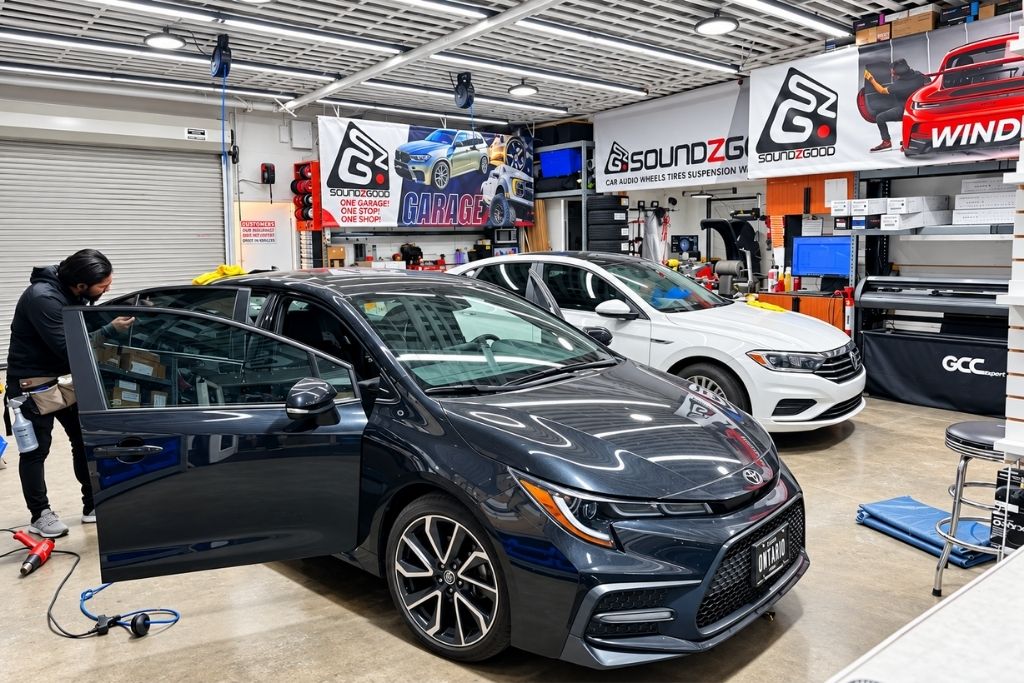
Quality tint replacement starts with an installer who knows how to safely remove deteriorated film, clean away old adhesive, prepare the glass, and install new film with attention to detail.
It’s also important to understand what you’re getting. Ask about film quality, UV and heat rejection, warranty coverage, and what to expect during the curing process.
At Soundz Good Garage, we bring more than 20 years of vehicle-upgrade experience to every installation. Our family-owned shop offers professional window tinting in Oxnard, backed by a lifetime installation guarantee. We’ll also help you compare film options and understand the warranty coverage that applies to your choice.
Ready to Replace Bubbling or Faded Tint in Oxnard?
Bubbling, peeling, faded, or hazy tint usually won’t improve once the film or adhesive has deteriorated. Proper car tint replacement in Oxnard, CA removes the failed film and adhesive before fresh window film is installed on properly prepared glass.
At Soundz Good Garage, we can inspect your existing tint and help you choose a replacement based on your needs, from appearance and UV protection to heat rejection and driving comfort.
Ready to replace your old tint? Request a window tint quote from our Oxnard team and find the right option for your vehicle.
Frequently Asked Questions
Why does car window tint start bubbling or fading?
Window film can deteriorate because of age, environmental exposure, adhesive breakdown, film quality, or installation-related factors. Persistent bubbles often indicate separation between the film and glass, while fading and discoloration can develop as certain films age.
Why should bubbling car tint be removed instead of left on the windows?
When permanent bubbles result from adhesive failure, pushing them flat doesn’t restore the failed bond. If bubbling continues to spread or starts interfering with visibility, removing the deteriorated film and replacing it is usually the more durable solution.
Why should old tint be professionally removed before new film is installed?
Old film may tear, separate into layers, or leave significant adhesive residue behind. Professional removal allows both the failed film and remaining adhesive to be addressed before the new installation begins.
Preparation matters because the new film needs a clean, properly prepared surface.