
For most Oxnard drivers, the best UV protection window tint is a professionally installed nano-ceramic film that blocks more than 99% of harmful UV rays while reducing heat and glare. The ideal option should also match your vehicle’s factory glass, preferred shade, California tint requirements, driving habits, and budget.
That is why our team at Soundz Good Garage looks beyond darkness alone. With more than 20 years of experience helping Southern California drivers upgrade their vehicles, we compare UV rejection, heat performance, visibility, film construction, warranty coverage, and installation location before recommending the right film for each customer.
What Is the Best UV Protection Window Tint for Oxnard Drivers?
For most customers, the best UV protection window tint is a quality ceramic film with verified UV rejection above 99%. Ceramic is especially useful in Oxnard because it can provide UV and heat protection without requiring metalized construction or an extremely dark shade.
Xenith IR is our premium recommendation. It combines advanced nano-ceramic technology with strong infrared rejection, high total solar energy rejection, optical clarity, and signal-friendly performance.
Vortex IR offers more than 99% UV protection and strong ceramic heat control at a different price point. For many daily drivers, it delivers the balance they want.
Ceramic is not the only responsible choice. Solstice and HP Supreme may better fit a customer’s budget or appearance goals while still providing strong UV protection. You can compare our current window tint packages before visiting our Oxnard team.
What Should You Compare Besides UV Rejection?
Choosing the best UV protection window tint requires looking at several specifications together. Each describes a different part of film performance.
What Does UV Rejection Mean?
UV rejection tells you how much ultraviolet radiation the film is designed to block, including UVA and UVB rays.
A film that blocks more than 99% of harmful UV rays can reduce cabin exposure and help protect dashboards, leather, upholstery, and trim. It cannot stop every cause of aging; heat, visible light, material quality, and normal use also matter.
What Is VLT Percentage?
Visible light transmission, or VLT, measures how much visible light passes through the glass-and-film combination.
Higher VLT looks lighter. Lower VLT looks darker and usually adds privacy and glare reduction. VLT does not measure UV protection, so a light film can reject more UV than a low-quality dark film.
How Are Infrared Rejection and TSER Different?
Infrared rejection describes how well a film rejects a specified portion of infrared energy. TSER, or total solar energy rejected, gives a broader view of solar heat performance.
Keep the measurements separate:
- UV rejection relates to ultraviolet protection.
- VLT relates to visible light and shade.
- Infrared rejection relates to part of the heat occupants feel.
- TSER reflects broader solar-energy rejection.
- Glare reduction relates to visual comfort.
A high UV number does not guarantee maximum heat rejection or reveal how dark the glass will look.
Why Is Ceramic Window Tint Often Recommended?
The best UV protection window tint is often ceramic because it can address several priorities at once.
Nano-ceramic film can provide high UV rejection, infrared heat reduction, optical clarity, color stability, and non-metalized construction. This supports modern vehicles with cellular, GPS, satellite-radio, and monitoring systems.
Customers often begin by asking for “the darkest legal tint.” After discussing their needs, many realize they care more about rear-seat protection, radiant heat, glare, or a light factory appearance.
The best UV protection window tint for a family SUV may differ from what we recommend for a work truck or weekend car. Our guide to the benefits of professional window tint explains the broader comfort and protection advantages.
Can Clear or Light Window Tint Block 99% of UV Rays?
Yes. Clear and high-VLT automotive UV protection film can block a high percentage of UV radiation while allowing most visible light to pass through.
Visible light and ultraviolet radiation are different parts of the solar spectrum. Film does not need to look dark to filter UV rays.
For drivers who want a subtle appearance and strong optical clarity, the best UV protection window tint may be a clear UV window film for cars. It can also complement eligible factory privacy glass without making it much darker.
The trade-off is that lighter film usually provides less privacy and glare reduction than a darker shade. Heat-rejection performance also varies by product, so we compare the complete specification rather than one number.
How Do California Tint Laws Affect Your Choice?
The best UV protection window tint must be appropriate for the window where it is installed.
Under current California requirements, qualifying clear, colorless material on the immediate front side windows must have at least 88% VLT. The combined factory glass and film must still meet the required 70% minimum, and certification requirements apply.
Windshield applications are more restricted. Rear side windows and rear glass generally allow more flexibility, although rear-window tinting is tied to mirror requirements.
Factory glass already has its own VLT, so a film sample may not equal the final installed result. Regulations can change, so confirm current requirements for the exact application rather than relying on a generic chart.
What Benefits Should Oxnard Drivers Realistically Expect?
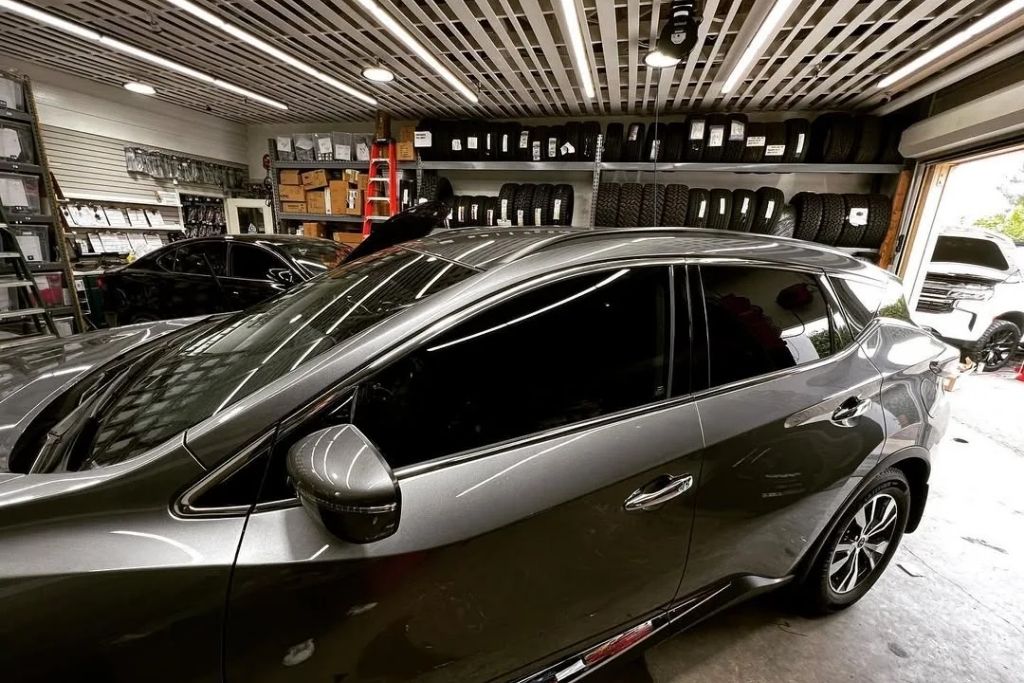
The best UV protection window tint can improve comfort and support interior protection, but realistic expectations still matter.
UV and Interior Protection
Quality film can block more than 99% of harmful UV rays and reduce one source of interior fading and deterioration. It does not make upholstery immune to aging.
Heat Reduction
Heat and UV protection car tint can reduce incoming solar energy. It will not keep a closed vehicle cool indefinitely in direct sun.
Customers often notice less radiant heat through the glass and a cabin that becomes comfortable more quickly after the air conditioning starts.
Glare, Privacy, and Appearance
Tint can reduce harsh brightness, add privacy, and give a vehicle a cleaner look. Darker shades may reduce nighttime visibility, especially on poorly lit roads. Tint also does not replace locking the vehicle or securing valuables.
For more local context, read whether car window tint is worth it for Oxnard drivers.
How Long Does Automotive Window Tint Last?
Durability depends on the film, adhesive, installation, sun exposure, glass condition, and maintenance. A vehicle parked outdoors daily faces different conditions than a garage-kept car.
Signs that tint may need attention include:
- Bubbling, peeling, or lifting edges
- Noticeable color change
- Distortion that affects visibility
- Deep scratches from abrasive cleaning
- Adhesive failure near seals or defroster lines
The best UV protection window tint should also come with clear warranty terms, which we explain before installation. Many upgraded options include lifetime warranty protection, and we back our installation workmanship with a lifetime installation guarantee.
The best UV protection window tint is a long-term investment only when the film quality, installation, care, and warranty all support it.
How Should You Maintain New Window Tint?
Follow the care instructions we provide after installation. Curing time varies with weather, film, and glass design, and mild haze or small moisture pockets may appear temporarily.
For routine maintenance:
- Wait for the recommended period before rolling down the windows.
- Use a soft microfiber cloth and ammonia-free automotive glass cleaner.
- Avoid abrasive pads, blades, and harsh chemicals.
- Clean gently around edges and rear defroster lines.
- Contact us if you notice lifting, bubbling, or unusual distortion.
Do not pick at an edge or puncture a moisture pocket. That can turn a temporary curing concern into permanent damage.
How Does Our Team Choose the Right Film for a Customer?
We start with questions, not a one-size-fits-all package.
We ask where the vehicle is parked, how often it is driven, who rides in it, which windows concern the owner, what appearance they prefer, and how important heat rejection is compared with privacy or budget.
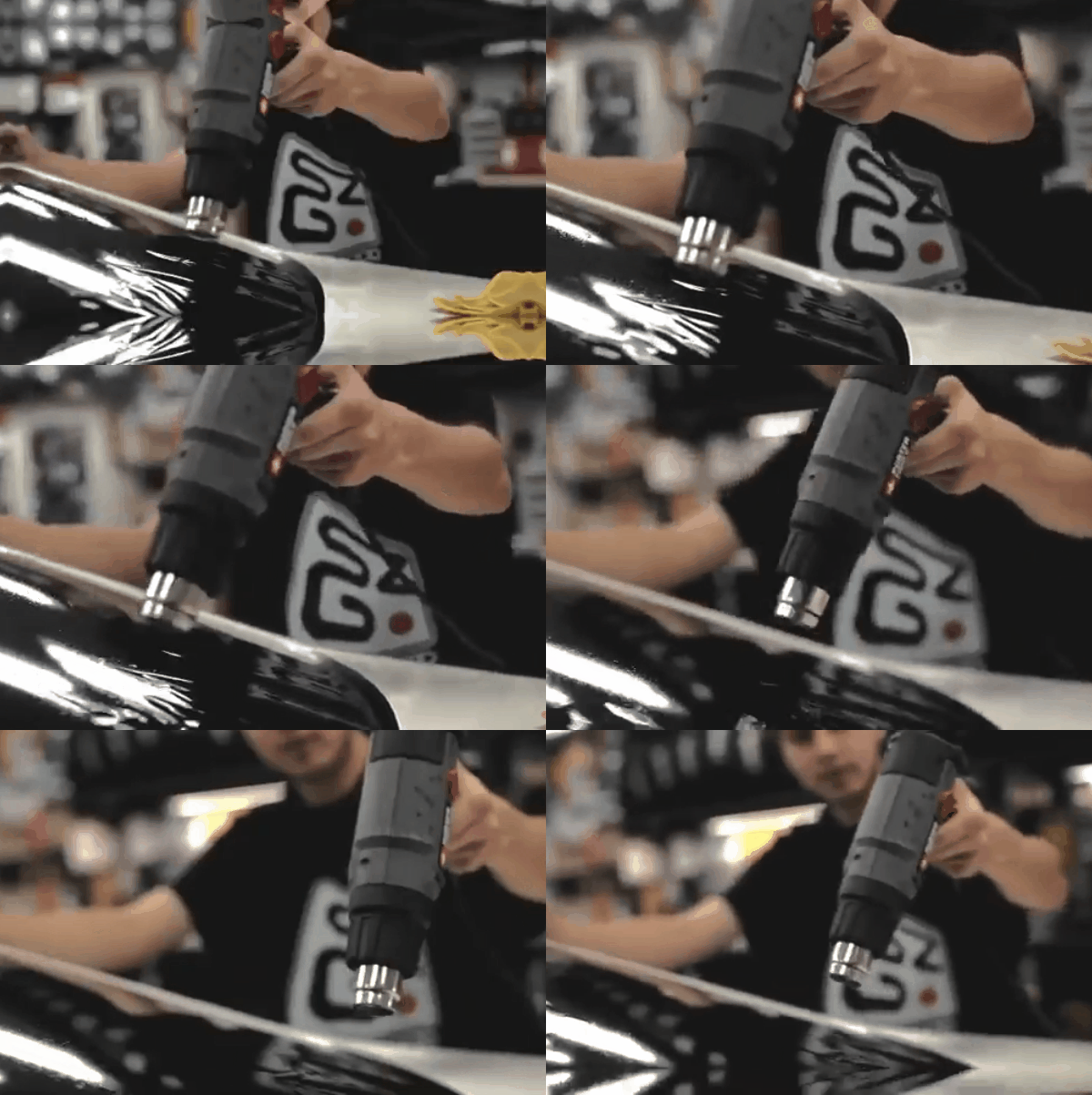
We then explain the five Solar Gard film types we stock and the available shades in plain language. Our team computer-cuts film for each vehicle and installs it with careful attention to fit, edges, seals, and visibility.
You can view our window tint portfolio or browse our broader Oxnard vehicle-upgrade gallery to see examples of our work.
As a family-owned shop, our goal is not to push every customer into the highest package. We explain the trade-offs and recommend the best UV protection window tint we would feel comfortable using on our own vehicle.
What Should You Consider Before Choosing the Best UV Protection Window Tint?
Before choosing the best UV protection window tint or scheduling installation in Oxnard, consider:
- Is your priority UV protection, heat control, privacy, glare reduction, appearance, or a combination?
- Do you want a dark, moderate, light, or nearly clear finish?
- Does the vehicle already have factory privacy glass or old film?
- Is the vehicle parked outside for long periods?
- What warranty and long-term performance matter to you?
Tell us about damaged defroster lines, scratched glass, aftermarket windows, cameras, sensors, or unusual window features. These details may affect removal, preparation, installation, or product selection.
For location details and service questions, contact our Oxnard team. You can also explore our complete range of car audio and vehicle upgrades.
Choose the Best UV Protection Window Tint for Your Oxnard Vehicle
The best UV protection window tint is the film that provides verified UV rejection while fitting your vehicle, driving habits, comfort goals, preferred appearance, legal requirements, and budget.
For many Oxnard drivers, Xenith IR is our premium all-around choice, while Vortex IR offers a strong balance of ceramic performance and value. Solstice and HP Supreme also remain worthwhile alternatives for different needs, appearance preferences, and price points.
Our team will explain each option clearly and help you choose the best UV protection window tint without relying on darkness or marketing claims alone. Learn more about Soundz Good Garage and our vehicle-upgrade services, contact our Oxnard team with your questions, or request a personalized window tint quote to plan your installation.
FAQ
What Type of Car Window Tint Provides the Best UV Protection?
For most drivers, premium nano-ceramic film is the best UV protection window tint because it combines more than 99% UV rejection with heat control, clarity, color stability, and signal-friendly construction.
Is Ceramic Tint Required for 99% UV Protection?
No. Some non-ceramic films also block more than 99% of harmful UV rays. Ceramic is often preferred because it combines UV protection with stronger heat-rejection performance.
Does Factory Privacy Glass Block Enough UV?
It varies by vehicle and glass type. Privacy glass creates a darker appearance, but its UV and heat performance should not be assumed from color alone.