Car Alarm vs. Factory Security: What's the Difference?
When comparing car alarms vs. factory security, the main difference is the level of protection. Factory alarms typically detect unauthorized entry, while aftermarket systems can add advanced sensors, smartphone alerts, and GPS tracking.
For Norwalk drivers, these aftermarket security upgrades can provide extra protection against vehicle theft and tampering.
But how secure is your vehicle when you lock it and walk away? A broken window or an attempted wheel theft might not trigger your factory alarm, leaving potential security gaps.
At Soundz Good Garage, we've spent over 20 years helping Southern California drivers upgrade their vehicles. We understand these concerns, which is why we're here to explain how factory and aftermarket security systems compare and when an upgrade makes sense.
What Is Factory Car Security, and How Does It Work?
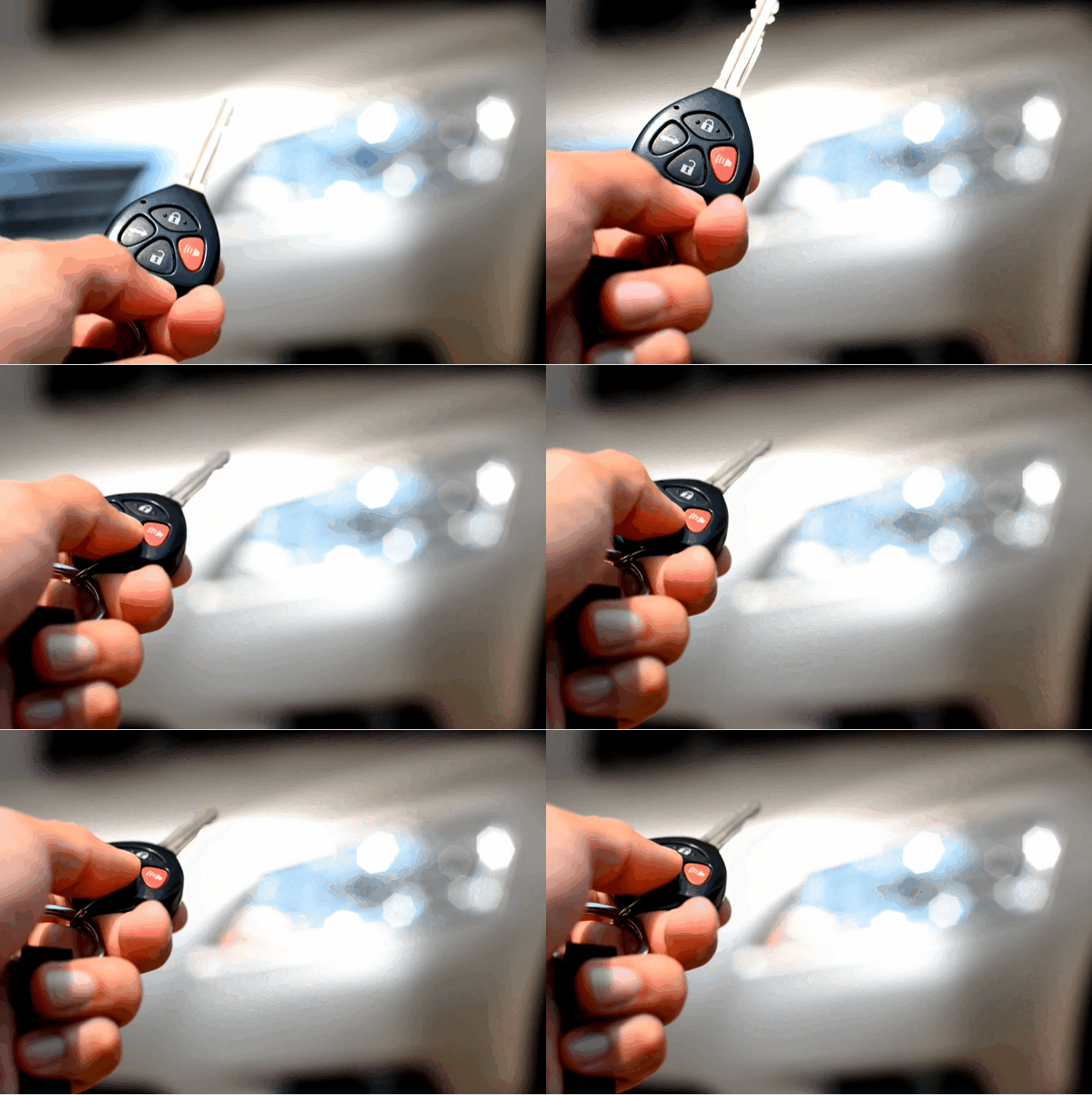
Factory car security refers to the protective features installed by your vehicle's manufacturer. These systems, also called OEM vehicle security systems, are designed to discourage unauthorized entry and, in many cases, prevent someone from starting your vehicle without the correct key.
Most modern vehicles include some combination of electronic locks, factory alarms, and immobilizer technology.
Common Features of Factory Security Systems
Depending on your vehicle's make, model, and year, factory-installed anti-theft protection may include:
- Door and trunk sensors: Detect certain unauthorized entry attempts and activate an audible warning.
- Factory horn or siren: Produces an alert when a monitored security condition is triggered.
- Keyless entry: Allows you to lock and unlock your vehicle remotely.
- Engine immobilizer: Helps prevent unauthorized engine starting without a recognized electronic key.
- Integrated security controls: Coordinate locking and other factory security functions.
These features provide a valuable starting point. However, there's a difference between having a vehicle that won't start without the right key and having an alarm that detects someone tampering with it.
Where Factory Security May Fall Short
Some factory systems primarily monitor doors, trunks, and other designated entry points. They may not include sensors that detect broken glass, light impacts, or attempts to lift the vehicle.
Imagine someone damaging your car's window without opening a monitored door. Depending on your factory equipment, the alarm might not respond.
That doesn't mean every factory system is inadequate. Some newer vehicles offer advanced monitoring and smartphone connectivity.
Before recommending any upgrade, we believe it's important to understand what your specific vehicle already has.
Car Alarm vs. Factory Security: What's the Real Difference?
The most important distinction in the car alarm vs. factory security comparison is the ability to customize protection.
Factory systems come with features chosen by the manufacturer. Aftermarket car alarms allow us to explore additional sensors, notifications, and security options based on your vehicle and how you use it.
Here's a practical comparison:
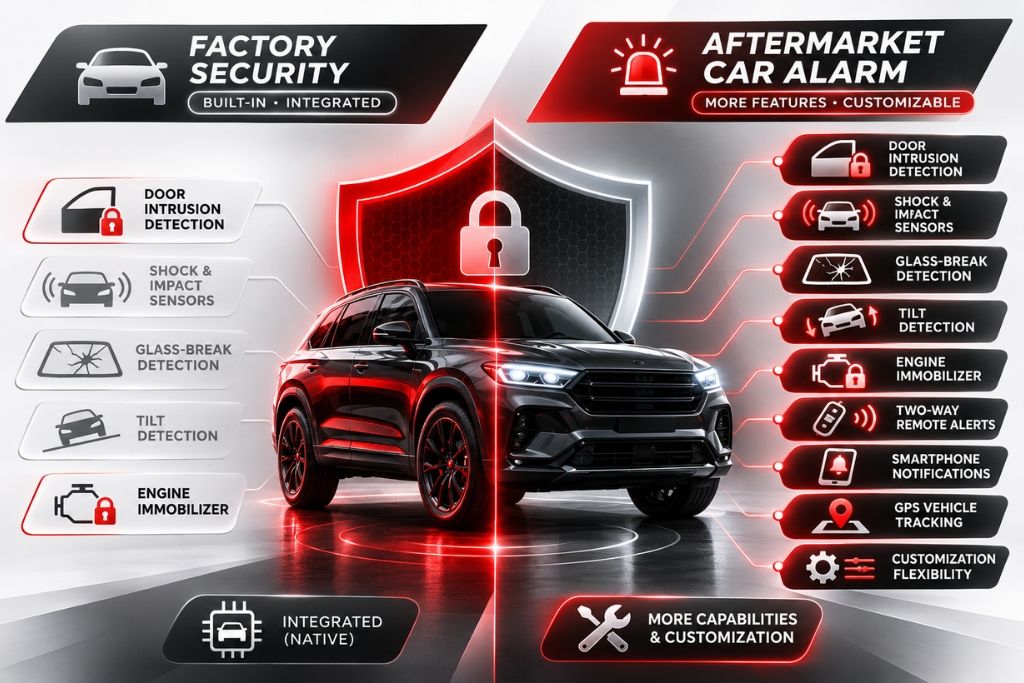
When customers ask us about an aftermarket car alarm vs. factory alarm, we don't automatically recommend replacing the original system.
Instead, we look at which features could complement the existing equipment.
A properly selected aftermarket alarm can improve detection and awareness, but the effectiveness of any system also depends on installation quality, compatibility, and configuration.
Why Factory Car Security May Not Be Enough
One of the biggest misconceptions about vehicle security is that an alarm sounding automatically means a vehicle is protected against every theft method.
Unfortunately, different threats require different safeguards.
Modern Keyless Entry Vulnerabilities
Some vehicles with proximity-based keyless entry can be exposed to electronic attacks, including relay attacks that exploit communication between a key and the vehicle.
These vulnerabilities aren’t identical across manufacturers or vehicle models.
Adding an aftermarket alarm doesn’t automatically eliminate electronic security risks. However, compatible additional monitoring and security features may help address certain gaps.
Break-Ins That Don’t Trigger Factory Sensors
Not every break-in involves opening a door.
Someone could damage a window, interfere with exterior accessories, or attempt to remove wheels while the vehicle remains locked.
If your factory system doesn’t monitor those activities, it may never activate.
Aftermarket shock, glass-break, and tilt sensors can provide additional detection where compatible.
An Immobilizer Doesn’t Protect Everything
Engine immobilizer technology is an important theft-prevention feature.
However, preventing an unauthorized engine start isn’t the same as detecting vandalism, stolen belongings, or a vehicle being moved without being driven.
That’s why we encourage customers to think about car alarm vs. factory security as a question of complementary protection rather than choosing one technology over another.
How Aftermarket Car Alarms Add Another Layer of Protection
Aftermarket car alarms go beyond basic theft warnings by offering advanced sensors, remote alerts, and tracking features. These upgrades can help address security gaps that some factory systems leave behind.
Shock, Glass-Break, and Tilt Sensors
These sensors detect different types of tampering. Shock sensors respond to impacts, glass-break sensors detect sounds associated with shattered windows, and tilt sensors can identify attempts to lift your vehicle.
Proper sensor calibration helps ensure reliable detection while reducing false alarms.
Two-Way Remotes and Smartphone Alerts
Two-way car alarm remotes can notify you when your alarm detects suspicious activity within their operating range. Compatible systems also offer smartphone alerts, helping you monitor your vehicle even when you're away, depending on connectivity and service requirements.
GPS Tracking and Additional Security Features
GPS tracking can help locate your vehicle if it's stolen, while compatible immobilization features add another obstacle against unauthorized starting.
To explore your options, check out our guide to car alarm installation in Norwalk .
Can Remote Start Work With an Aftermarket Alarm?
Yes! Many aftermarket alarms integrate with compatible remote-start systems, providing convenience while maintaining essential vehicle security functions.
Learn more in our complete guide to remote start installation in Norwalk .
Better protection starts with the right features. Choosing compatible sensors, alerts, and security upgrades can help strengthen your vehicle's existing factory protection.
Why Car Theft Prevention Matters for Norwalk Drivers
Your parking environment plays an important role in deciding which security features make sense.
Throughout Norwalk and surrounding Southern California communities, drivers encounter different situations every day.
We encourage vehicle owners to consider where their cars spend the most time, how easily they can monitor them, and what types of unwanted activity concern them most.
Parking on Residential Streets
When your vehicle is parked outside overnight, you may not hear a factory alarm from inside your home.
Compatible impact sensors and remote notifications can provide additional awareness when certain tampering events occur.
Apartment Complexes and Shared Garages
Shared parking areas often mean multiple people can access the same space.
A system with appropriate impact or tilt monitoring may be useful, especially if you’re concerned about wheel theft or parking-related damage.
A dash cam with parking surveillance capabilities can also help document certain incidents.
Shopping Centers and Workplace Parking
If you regularly leave your vehicle unattended during work or errands, smartphone alerts and compatible tracking features may be worth considering.
The best car alarm system for theft protection isn’t necessarily the most expensive one.
It’s the system that addresses your needs, works reliably with your vehicle, and provides the features you’ll actually use.
Combining Factory Security With Other Theft-Prevention Measures
When evaluating car alarms vs. factory security, we always recommend looking beyond the alarm itself.
Vehicle protection works best as a layered strategy.
Here are several practical measures we encourage Norwalk drivers to consider:
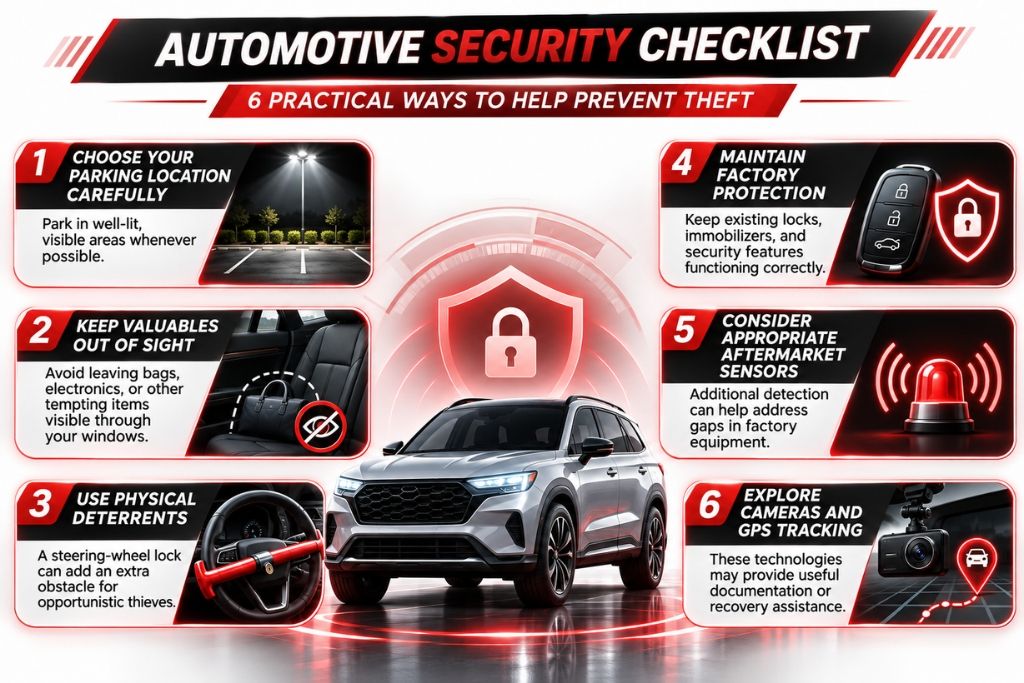
A dash cam can be particularly useful because it serves a different purpose from an alarm.
While an alarm attempts to detect and warn about certain events, a camera may capture footage that helps explain what happened.
Our article on dash cam installation in Norwalk for driving and parking protection explores the technology in greater detail.
Remember: No alarm or security accessory can guarantee that a vehicle won't be stolen. Multiple complementary measures can make your protection strategy more comprehensive.
When Should You Consider a Car Alarm Upgrade in Norwalk?
Even with factory security, your vehicle may benefit from extra protection. Consider a car alarm upgrade in Norwalk if:
- Your factory alarm has limited sensor coverage.
- You frequently park outdoors overnight.
- You want smartphone alerts or GPS tracking.
- You’re concerned about break-ins, impacts, or wheel theft.
- You need security features compatible with remote start.
Why Professional Car Alarm Installation Matters
Modern vehicle electronics require careful installation to avoid wiring issues, false alarms, or interference with factory systems.
At Soundz Good Garage, we bring over 20 years of experience to professional vehicle upgrades. Our automotive security and upgrade solutions include car alarms, GPS tracking, dash cams, and remote start systems from trusted brands like Viper, Directed, and Compustar.
We’ll help you explore compatible security upgrades that fit your vehicle and protection needs.
Is Your Norwalk Vehicle Truly Protected?
The car alarm vs. factory security debate isn't about declaring one system the winner.
It's about understanding the protection your vehicle already offers and deciding whether additional features would make a meaningful difference.
Factory security provides a valuable foundation. Compatible aftermarket alarms can expand detection, improve awareness, and add security features tailored to your parking habits and vehicle.
At Soundz Good Garage, we believe vehicle security should be practical, reliable, and suited to the way you drive.
If you're considering an upgrade, we'd be happy to help you explore your options.
Ready to Improve Your Vehicle's Protection?
Explore compatible car security upgrades with the Soundz Good Garage team. We're here to help you find the right solution for your vehicle.
Frequently Asked Questions
Is a Factory Car Alarm Enough to Prevent Vehicle Theft?
Factory alarms can provide valuable protection, particularly when combined with an engine immobilizer.
However, some systems don’t detect glass damage, exterior impacts, or vehicle lifting. Additional features may be beneficial depending on your vehicle and parking conditions.
Can Thieves Bypass Factory Car Alarm Systems?
Certain vehicles may be vulnerable to specific electronic attacks or intrusion methods that don’t activate their factory alarm triggers.
The actual risks depend on the vehicle’s security design. Neither factory nor aftermarket alarms offer guaranteed theft prevention.
Is Professional Car Alarm Installation Worth It?
Professional installation helps ensure that the selected equipment is correctly integrated, sensors are appropriately configured, and existing vehicle functions are considered.
It’s especially important for vehicles with complex electronics or integrated factory security systems.